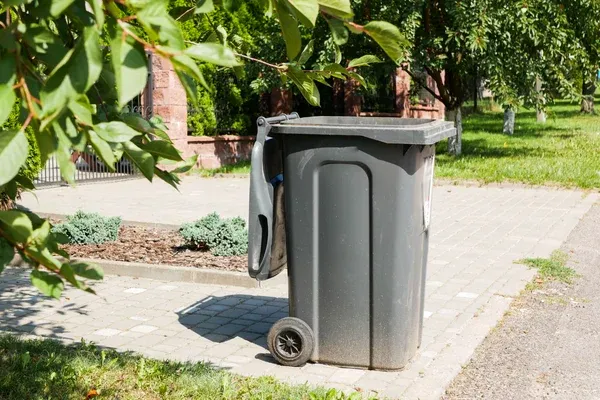
The Best Way to Clean Your Garbage Cans in Loveland, Ohio
You probably roll your garbage cans to the curb every week without giving them much thought. Then one warm afternoon in Loveland, you lift the lid and get hit with a smell strong enough to make you wonder what exactly has been growing inside.
That is when garbage can cleaning in Loveland, Ohio suddenly becomes a lot more important.
Trash cans collect far more than bagged household waste. Leaking garbage bags, food residue, grass clippings, pet waste, rainwater, insects, and everyday grime can all end up coating the bottom and sides of your bins. Add southwestern Ohio's warm, humid summers, and an ordinary garbage can can quickly become dirty, sticky, and unpleasant.
The good news is that you can do something about it.
Whether you are trying to clean a mildly dirty bin yourself or deciding whether professional trash can cleaning makes more sense, this guide will walk you through what Loveland homeowners should know. We will cover cleaning methods, odor control, sanitation, seasonal concerns, common mistakes, maintenance, and how professional garbage can cleaning works.

Why Garbage Cans Get So Dirty in Loveland, Ohio
Your garbage can has a difficult job. Week after week, it holds household waste outdoors while being exposed to changing weather conditions.
In Loveland, those changing conditions matter.
Summers can be hot and humid. Spring brings plenty of moisture. Fall means leaves, yard waste, and organic debris. During winter, cold temperatures and freeze-thaw cycles can make it less convenient to drag out a hose and scrub your containers.
Inside the bin, meanwhile, several things can create problems.
Common sources of garbage can grime include:
Leaking kitchen garbage bags
Meat and food packaging
Spoiled produce
Pet waste
Used diapers
Liquid leaking from household trash
Grass and yard debris
Rainwater entering an open container
Loose garbage sticking to the bottom
Insects getting into food residue
Even if you always use garbage bags, small leaks happen.
One torn bag can leave liquid and decomposing food underneath everything else. Once that material dries onto the plastic, simply removing the trash does not remove the mess.
Why Regular Garbage Can Cleaning Matters
Cleaning your garbage cans is partly about appearance, but that is only one piece of the puzzle.
A properly cleaned bin is simply nicer to use.
You do not have to hold your breath when you open it. You are less likely to track dirty residue around your driveway. You can also reduce the food debris and organic matter that attract flies and other pests.
Cleaner Bins Smell Better
Bad garbage can odors usually come from material that remains in the container after collection.
Think about what happens when chicken packaging leaks into the bottom of a bin during July. The garbage truck may remove the bag, but the liquid remains behind.
As temperatures rise, that residue can produce increasingly unpleasant odors.
Spraying air freshener into the container may temporarily cover the smell, but it does not remove what is causing it.
Cleaning does.
Cleaning Helps Remove Organic Residue
The inside of a garbage can can accumulate a thin layer of grime that is difficult to see from several feet away.
Look closely, however, and you may notice streaks, dried liquids, sticky patches, or residue around the hinges and lid.
That material needs to be physically removed rather than simply deodorized.
Clean Garbage Cans Are Less Attractive to Pests
Flies are not interested in the plastic container itself. They are interested in what is inside or stuck to it.
Food residue, decomposing organic material, and garbage liquids can make a dirty container much more attractive to insects.
Cleaning the bin eliminates much of the material they are looking for.
The Best Way to Clean Your Garbage Cans in Loveland, Ohio
For homeowners who want to handle the job themselves, a thorough cleaning process requires more than spraying the inside with a garden hose.
You need to loosen debris, wash the surfaces, clean difficult areas, rinse the container, and let it dry properly.
Here is a practical process.
Empty the Garbage Can Completely
Start immediately after your garbage has been collected whenever possible.
Check the bottom before cleaning.
Remove any loose bags, paper, food packaging, leaves, or debris that the garbage truck left behind.
You want an empty container before introducing water.
Move the Bin to a Suitable Cleaning Area
Choose an area where you can control the cleaning water rather than allowing dirty garbage water to run wherever it wants.
Be considerate of your driveway, lawn, neighboring properties, and storm drainage areas.
You should avoid casually washing concentrated garbage residue into a storm drain. Cleaning wastewater can contain food residue, detergents, oils, and other contaminants you do not want flowing directly into local waterways.
Pre-Rinse the Interior
Use your hose to rinse loose debris from the walls and bottom.
A high-pressure nozzle works better than a weak stream because dried material can adhere strongly to plastic.
Pay particular attention to:
Bottom corners
Seams
Wheel areas
Underside of the lid
Lid hinges
Handles
Areas where garbage bags commonly rub or tear
The initial rinse is not intended to make the can perfectly clean. It prepares the surface for washing.
Apply an Appropriate Cleaning Solution
After removing loose material, apply a cleaner that is appropriate for the bin material and the type of residue you are removing.
Follow the cleaner manufacturer's label directions, including instructions concerning dilution, surface contact, protective equipment, and rinsing.
More product is not necessarily better.
Mixing household chemicals can also be dangerous, so never combine cleaning products unless the labels specifically say they are compatible.
Scrub the Bottom and Walls
This is where DIY garbage can cleaning becomes work.
Use a long-handled brush so you can reach the bottom without leaning your entire upper body into the container.
Scrub the walls first and then focus on the bottom.
You may need additional attention around textured plastic because liquids and residue can settle into small grooves.
Do Not Forget the Lid
The underside of the lid is one of the most commonly missed areas.
It can collect splashes, condensation, grime, and residue from overfilled garbage bags.
Clean around the hinges and handle as well. These are areas your hands regularly touch, so keeping them clean makes a noticeable difference.
Rinse Thoroughly
Once you have scrubbed the container, rinse away loosened dirt and remaining cleaning solution.
Keep rinsing until the water leaving the surfaces appears clear and you no longer see soap or visible debris.
Let the Garbage Can Dry
Whenever possible, allow the bin to dry before putting new garbage into it.
Leaving trapped water at the bottom creates another damp environment where odors can develop.
Position the container so water can drain safely, then leave the lid open while it finishes drying.
Why Pressure and Hot Water Make Such a Difference
Anyone who has tried cleaning an especially dirty trash can using only a hose knows the problem.
Some grime does not want to move.
Food residue can dry onto the plastic. Sticky liquids collect in textured areas. Grease can leave films that cold water struggles to remove.
This is one reason professional cleaning equipment can produce noticeably different results.
High-pressure water provides mechanical cleaning power, helping break material away from the surface. Hot water can also help loosen oily and greasy residue.
Together, heat and pressure make it easier to clean areas that otherwise require extensive manual scrubbing.
DIY Garbage Can Cleaning vs. Professional Bin Cleaning
You can absolutely clean a garbage can yourself.
For a lightly soiled container, a garden hose, cleaner, brush, and some effort may be enough.
The question is whether you want to do it.
Think about what the job involves. You have to stand near old garbage residue, scrub the bottom of a deep container, handle dirty wastewater, clean your brushes afterward, and repeat the process for every bin you own.
Professional garbage can cleaning is designed to make that process easier for you.
Instead of turning garbage day into another household chore, your containers can be professionally washed and cleaned using equipment built specifically for the task.
For many homeowners, convenience alone makes professional service worthwhile.
How Often Should You Clean Your Garbage Cans?
There is no single cleaning schedule that works for every household.
Your ideal frequency depends on what goes into your bins, how many people live in your home, whether you have children or pets, and how quickly residue accumulates.
A household that primarily disposes of dry, securely bagged waste may need cleaning less often than a busy family regularly throwing away food scraps, diapers, pet waste, and other organic materials.
Pay Attention to the Bin Instead of the Calendar
Your garbage can will usually tell you when it needs attention.
Watch for:
Strong odors after collection
Sticky material on the bottom
Visible stains or grime
Flies gathering around the lid
Maggots or insect activity
Leaking liquids
Mold-like growth
Residue stuck along the walls
A dirty or greasy lid
If you are seeing or smelling these things, cleaning is overdue.
Garbage Can Cleaning During Loveland's Hot Summer Months
Summer is when dirty garbage cans often become most noticeable.
Heat speeds up the problems associated with decomposing organic waste. A small amount of residue that was barely noticeable during cooler weather can smell significantly worse after sitting in a closed plastic container on a hot day.
Flies also become more active during warmer periods.
That makes summer a particularly useful time to stay consistent with cleaning.
You can reduce problems by keeping garbage tightly bagged, avoiding loose food in the container, closing the lid fully, and cleaning spills quickly rather than allowing them to accumulate for weeks.
What About Garbage Can Cleaning During Winter?
Winter creates the opposite problem.
The odor may not seem as strong during cold weather, so it is easy to assume your garbage can is clean.
It may not be.
Cold temperatures can simply make existing odors and decomposition less noticeable. Residue can remain inside until temperatures rise again.
DIY washing also becomes considerably less appealing when outdoor temperatures are near freezing.
Keeping bins clean before the coldest part of the season can prevent grime from building up while outdoor washing is inconvenient.
How to Keep Your Garbage Cans Cleaner Between Washes
A few simple habits can dramatically reduce how dirty your bins become.
Always Bag Household Garbage
Loose garbage is far more likely to stick to the bottom and sides.
Tie bags securely before placing them in your bin.
Double-Bag Messy Waste When Necessary
If something is likely to leak, a second bag can prevent a much bigger cleaning job later.
This is especially useful for wet food waste, pet waste, or anything with damaged packaging.
Drain Food Containers Before Throwing Them Away
Do not dump containers filled with liquid straight into the trash.
Removing unnecessary liquids reduces the chance of leakage.
Keep the Lid Closed
An open lid allows rainwater to enter the container.
It can also make the bin easier for insects and animals to access.
Clean Spills Quickly
If a garbage bag breaks, do not leave the spill sitting at the bottom until your next major cleaning.
Rinse or clean it as soon as practical.
Fresh residue is usually much easier to remove than material that has dried for several weeks.
Why Simply Spraying a Garbage Can With Water Is Not Enough
A quick rinse can make a container look cleaner, but appearances can be misleading.
Water may remove loose dirt while leaving behind greasy residue and material stuck to the surface.
Think about a dirty dinner plate.
Running water over it helps, but if grease and dried food remain attached, you probably would not consider it clean.
The same principle applies to your garbage container.
Effective trash can cleaning combines water, appropriate cleaning methods, physical removal of grime, thorough rinsing, and proper drying.
Common Garbage Can Cleaning Mistakes
Cleaning a trash can is simple in principle, but several common mistakes make the job less effective.
Ignoring the Underside of the Lid
Cleaning only the bottom leaves another dirty surface untouched.
Wash the underside of the lid and handle areas whenever you clean the bin.
Using Too Much Cleaner
More cleaner does not automatically create a better result.
Use products according to their labels and rinse thoroughly.
Mixing Cleaning Chemicals
Never experiment by combining household cleaners.
Certain combinations can create dangerous gases or reactions.
Leaving Dirty Water in the Bottom
Your garbage can is not clean if it finishes the process with a puddle of dirty water sitting inside.
Drain and dry it properly.
Waiting Until the Smell Is Severe
You do not need to wait until the bin becomes unbearable.
Regular maintenance is much easier than tackling months of accumulated residue.
Should You Clean Recycling Bins Too?
Yes, particularly if food or beverage residue ends up inside.
Recycling containers may hold soda cans, food jars, sauce containers, milk jugs, and other packaging. Even when these items are empty, small amounts of liquid can leak.
Over time, the recycling bin can develop sticky residue and odors similar to a regular garbage can.
Rinsing recyclable containers when appropriate and keeping your recycling bin clean can help.
You should also follow the recycling rules that apply to your local collection service because accepted materials can vary depending on where your Loveland property is located and who provides collection.
What About Yard Waste Containers?
If you use a dedicated container for grass, leaves, or other organic yard material, it can become surprisingly dirty.
Fresh grass contains moisture. When grass clippings sit against the inside of a warm container, they can create strong odors and leave wet organic residue behind.
Leaves can also trap moisture at the bottom.
Periodic cleaning keeps these containers easier to handle and prevents old material from continually sticking to the walls and base.
The Best Garbage Can Manufacturers for Loveland Homeowners
Quality garbage cans use durable materials, strong wheels, secure lids, and practical designs that make routine use and regular cleaning easier.
Toter: Known for durable wheeled carts with sturdy construction, large wheels, and designs suited to frequent residential use.
Rubbermaid Commercial Products: Makes dependable waste containers with durable plastic construction and practical designs for regular household and commercial use.
Suncast: Offers residential trash and outdoor storage products designed around convenient handling, weather resistance, durability, and everyday usability.
United Solutions: Produces straightforward residential waste containers in several sizes, offering practical options for normal household garbage storage needs.
OTTO Environmental Systems: Manufactures wheeled waste carts designed for repeated collection cycles, easy maneuvering, durability, and dependable outdoor performance.
Choosing a Garbage Can That Is Easier to Keep Clean
Not every garbage can is equally easy to maintain.
If you are replacing an old container, look closely at the interior design.
Smooth interior walls are easier to wash than complicated surfaces with excessive grooves. Rounded interior corners can also make it easier to remove debris from the bottom.
Other useful features include:
A tightly closing lid
Sturdy wheels
Comfortable handles
Durable plastic
Adequate capacity for your household
A shape that allows water to drain easily during cleaning
You should also make sure the container is compatible with your local waste collection requirements before purchasing it.
Can Garbage Can Cleaning Help With Maggots?
If you discover maggots in a garbage can, there is usually an organic food source nearby.
Flies lay eggs where their larvae will have access to decomposing material. A leaking garbage bag, meat packaging, food scraps, or dirty residue can provide exactly that environment.
Cleaning the container thoroughly is therefore important.
Removing the garbage without cleaning the residue may leave behind the material that attracted the flies in the first place.
After cleaning, focus on prevention.
Keep food waste securely bagged, keep the lid closed, clean spills quickly, and avoid leaving loose organic waste sitting inside the container.
Why Odor Control Starts With Removing the Source
Homeowners sometimes try baking soda, deodorizing products, scented bags, or sprays to control garbage smells.
Some of these approaches may temporarily make a bin smell better.
They do not replace cleaning.
If rotting food residue is stuck to the bottom of the container, putting fragrance on top of it only creates scented garbage residue.
The most effective first step is to physically remove the material causing the odor.
After the bin is clean, odor-control products can be used as part of your maintenance routine if you choose.
What Professional Garbage Can Cleaning Involves
Professional trash can cleaning is built around something homeowners usually do not have: specialized equipment dedicated to washing bins.
Instead of manually reaching into your container with a brush, professional equipment can use pressurized water to clean interior surfaces more efficiently.
The service is especially useful when your bins have:
Heavy buildup
Strong odors
Sticky organic residue
Hard-to-reach grime
Recurring cleanliness problems
Multiple containers requiring cleaning
It is also valuable when you simply do not want garbage can scrubbing added to your household chore list.
Why Loveland Homeowners Choose Professional Cleaning
Time matters.
You already have grass to cut, rooms to clean, errands to run, meals to make, and plenty of other responsibilities around your home.
Garbage can cleaning is the type of job that is easy to postpone because nobody looks forward to it.
Professional service removes that problem.
You still get the benefit of cleaner, fresher bins without spending part of your weekend leaning over a garbage can with a hose and scrub brush.
For busy Loveland households, that is a pretty reasonable trade.
Professional Garbage Can Cleaning From Smooth Flo Trash Can Cleaning
Our experienced team has provided professional trash can cleaning for years. Choosing proven experts delivers better results, prevents unnecessary hassle, and can save you money over time. Ready to start? Call [cgv tel].
At Smooth Flo Trash Can Cleaning, we understand that garbage cans are one of those household items you use constantly but probably do not want to spend your free time scrubbing.
That is exactly why the service exists.
If your bins are dirty, smelly, sticky, or simply overdue for a proper wash, give our team a call at (513) 900-0493.
Frequently Asked Questions About Garbage Can Cleaning in Loveland, Ohio
How often should my garbage cans be professionally cleaned?
The right schedule depends on how your household uses its bins.
If you regularly throw away food waste, diapers, pet waste, or other material that can leak, your garbage cans may need more frequent cleaning. During warm Loveland summers, you may also notice odors developing faster.
The best approach is to clean your bins before heavy residue and strong odors have time to build up.
Why does my garbage can still smell after the garbage is collected?
The garbage truck removes the contents of your bin, but it does not clean the container.
Liquids from leaking bags, food residue, grease, and small pieces of organic material can remain stuck to the bottom and walls.
As that material breaks down, the odor continues even though the garbage itself is gone. A thorough cleaning removes the source instead of simply covering the smell.
Can I clean my garbage cans myself?
Yes.
You can use a hose, a suitable cleaning product, a long-handled brush, and some effort to clean a residential garbage can yourself.
The biggest differences with professional cleaning are convenience, specialized equipment, pressure, and the fact that you do not have to handle the unpleasant part of the job.
Does professional garbage can cleaning help with flies and maggots?
Cleaning can help by removing the food residue and organic material that attract flies.
If maggots have appeared in your container, you should also look at how waste is being stored. Keep garbage tightly bagged, double-bag materials that are likely to leak, and keep the lid completely closed.
Cleaning and better waste habits work well together.
What causes the black or sticky material at the bottom of my garbage can?
Usually, it is accumulated garbage residue.
Food liquids, grease, spoiled produce, dirt, rainwater, and leaking trash bags can combine at the bottom. As the moisture evaporates, the remaining material can become sticky or dry into a hard layer.
Regular cleaning prevents that buildup from getting worse.
Should I clean my recycling bin as well as my garbage can?
Yes, if it becomes dirty.
Drink containers, food jars, cans, and other recyclables can leak small amounts of liquid. That can leave sticky residue on the bottom of your recycling container and eventually cause odors.
Keeping recyclable items reasonably clean before placing them into the bin can also reduce the problem.
What is the best time to have my garbage cans cleaned?
Cleaning after your regular trash collection is usually ideal because the container is already empty.
That gives you or the cleaning team access to the inside without needing to move bags or household waste first.
If your bin has developed a strong odor or a bag has leaked badly, however, there is no need to wait longer than necessary.
How do I schedule garbage can cleaning with Smooth Flo Trash Can Cleaning?
Getting started is simple.
Call Smooth Flo Trash Can Cleaning at (513) 900-0493 and speak with our team about your garbage cans and cleaning needs.
We can help you take one unpleasant household chore off your list and get your bins feeling much cleaner again.
Keep Your Loveland Garbage Cans Cleaner, Fresher, and Easier to Use
Your garbage cans may never be the most exciting part of owning a home, but you definitely notice when they become dirty.
Between Loveland's warm summer weather, everyday food waste, leaking trash bags, rain, yard debris, and regular weekly use, grime can build up surprisingly quickly. Regular garbage can cleaning helps remove the buildup that causes unpleasant odors and makes your bins much more pleasant to use.
The best way to clean your garbage cans in Loveland, Ohio, is to remove the actual source of the mess rather than simply trying to cover odors. That means emptying the bin, removing debris, washing the interior thoroughly, paying attention to the lid and hard-to-reach areas, rinsing everything properly, and letting the container dry.
You can handle that process yourself when you have the time and equipment. However, professional garbage can cleaning can save you the time, effort, and mess that comes with scrubbing dirty trash bins yourself.
Or you can skip the scrubbing.
If you are ready for cleaner garbage cans without adding another messy job to your weekend, contact us at (513) 900-0493. Our professional garbage can cleaning service can help keep your bins clean, fresh, and much more pleasant to use.
